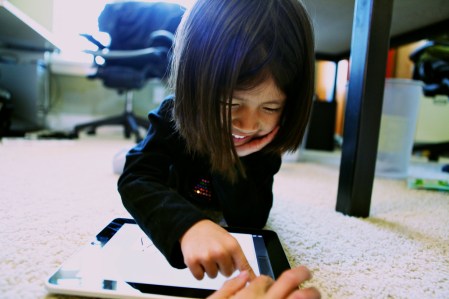
Screens are addictive, we all know that. Right? Or do we? Today my daughter came back from Kindergarten, and ate her lunch while watching her ipad. A few minutes after eating she begged me for special time. She turned her Sylvanian house into a hotel with rooms and beds for all the guests and we did an hour long special time.
Then we went to the shop to get snacks and hang the washing out. Then she told me that she’d go inside and have a rest and watch her ipad, then do a bit more special time. So she watched again for a short time and then we played a bit with her toy Octonauts. Then she made some ‘youtube’ videos to show the viewers around the hotel ( I don’t really put the videos on youtube but our family and friends are her subscribers!).
She watched TV a bit longer and then she told me she was bored of it and started to prepare a snack for Kindergarten the next day (on her own initiative). As I write she’s hanging out with her dad and choosing an outfit for tomorrow – also her idea!
I’m always going back and forth about the screentime issue, constantly readjusting my game plan, and trying to follow my instincts. When my daughter first started Kindergarten, I found myself setting a lot of limits with screens, particularly if she asked for it first thing when she walked in the door. I felt like she had a lot of feelings coming up about starting Kindergarten, and that I need to set a limit and staylisten. (You can read more about the Hand in Hand Parenting approach to setting limits here )
But then I began to feel like I was setting too many limits, and it was no longer about listening to my daughter’s feelings but about my own controlling attitude to her screentime. I felt that this was getting in the way of us having a good connection.
When I stopped hovering around her trying to think of creative suggestions to get her off screen, she would watch for a while and then stop, completely of her own accord. I began to focus on respecting my daughter’s genuine interest in screens, allow her to use them until she feels ready to stop, allowing her to soak up inspiration for her own film-making!
Screens can be addictive but not always. Today reminded me that when our children are well-connected, they can use screens in a healthy way. Focusing on our own addictive use of screens can also make it easier to help navigate the screentime dilemma. Taking a leap of trust in our children’s ability to self-regulate is also helpful, as well as stepping in and setting limits when they need them.
As I finish writing I can hear my daughter playing independently as my husband makes dinner. She just came in to drop me off a little note with her name on and some kisses.
I don’t have any foolproof answers, but I do think that when we fill up our child’s connection cup, and give them plenty of opportunity for emotional release, then it’s much less likely that they’ll use screens addictively. As addictions expert Johann Hari says, ‘the opposite of addiction is connection.’
I also think it’s important not to use the screen as a pacifier to give to our child when we are busy and unavailable. I think that can actually create an addiction because our child then learns to gravitate towards the screen rather than to us when they are feeling disconnected. In this article here Patty Wipfler explains that a bored child is actually a disconnected child. If we can give our children connection when they are bored rather than entertainment in the form of an electronic device, we reduce the chance of them becoming addicted.
How about you? How is your family handling screentime? What has worked for you and what’s not working? If you’d like some tips based on Hand in Hand Parenting then feel free to leave a comment below!
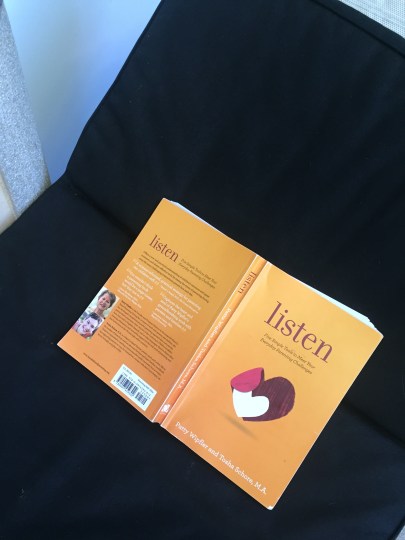
You can read more about the importance of connection in reducing addictive behaviour in my book Tears Heal: How to listen to our children






_1425162614.jpg)











 Kate Orson