Laughter Lists

laughingmumgirl

Are you looking for a laughter-solution to your family challenges? Below are the lists I’ve come up with so far for playful solutions to our everyday parenting solutions.

Have you got an issue you’d like to dissolve with fun and laughter? I’m taking requests for future lists so just leave me a comment 🙂

10 Ways Laughter Can Transform Your Day 

20 Playful Ways To Heal Aggression 

20 Playful Ways To Heal Separation Anxiety

20 Playful Ways To Help Picky Eaters 

25 Tips For Having Fun Tidying Up With Kids


How Giving Up Caffeine Transformed My Parenting

IMG_1633.JPG

The first time I gave up caffeine it was by mistake. I’d bought a jar of instant decaf and didn’t realise till weeks later. It’s funny I hadn’t noticed any side effects apart from being slightly slower to get going in the morning. Without the awareness I was actually giving up it was relatively pain free.

That was over ten years ago, and when I suddenly realised I rushed out to the shop to get some proper caffeinated coffee. After drinking some I felt jittery and nervous, and realised that this was what caffeine was doing to me. I was so used to the feeling I had never even noticed till then. Anyway I decided to give up properly considering the placebo effect had worked so well for me and I didn’t like that anxious feeling now I’d become aware of it.

A few years later I moved to Vietnam where I enjoyed lots of real, strong green tea. Pretty soon I was upping my dosage, and getting that nervous, jittery feeling again. When I left Vietnam I decided to give up. I didn’t have any caffeine until I became a new mum and would have tired days, days where my daughter was napping and I’d suddenly have the chance to write but wouldn’t have the energy without caffeine. Or days when I’d go and try a new baby-group and felt like I needed an energy boost to cope with a room full of parents I’d never met before.

Then I started my training to become a Hand in Hand parenting instructor and tried listening partnerships for the first time. I found that they were such a powerful way to restore my energy that I didn’t need caffeine anymore. Since talking about my emotions was a natural boost I also began to wonder if my caffeine addiction was about giving me ‘energy’ or more to do with masking my emotions so I could get through the day. Now I had an outlet I could finally let them go instead of simply managing them.

A year or so later my grandmother died and my caffeine intake rose again. Even with lots of extra listening time, I needed something to keep my emotions under control so that I could cope with looking after my daughter and get through the day. Shortly after that I got a book deal and I became completely focused on meeting my deadline. I tried writing without caffeine, and couldn’t cope with all the anxious feelings about getting it done on time, or if it was any good.

When it was finished the time seemed right to give up caffeine. I was aware that it was much easier for me to be in the moment, to play with my daughter, and do playlistening with her, when I wasn’t all revved up with caffeine. But could I really write without caffeine? The clincher was meeting a friend who told me there was a  study that showed that people on caffeine are no more productive than those who are not.

So I gave up just after Christmas. I was lucky that we had a few days extra holiday so we could have a mini ‘staycation’ where I could completely rest, and listen to my body. And though it was hard at first it got easier. And I began to notice all sorts of surprising benefits.

  1. I had more energy – I could actually jump out of bed in the morning and do some pilates or meditation to give myself a natural energy boost. (I must admit though, after a stressful few weeks this benefit is wearing off!)
  2. I was much more relaxed – Before giving up I’d had this sense that I just wanted the world to slow down. Then I suddenly realised that I was speeding up my body with caffeine to try and keep pace with the busy world, and that actually the first step to slowing down, was simply to give up. I felt like I could never really deeply rest, until I got rid of this substance in my body that was revving me up.
  3. I could be in the moment with my daughter – I could play with my daughter much more easily, without dashing around thinking about cooking, tidying or my facebook notifications. I could just chill out, and lose myself in play with her, slowing down to her pace.
  4. I could think up lots of playlistening games – When my grandmother died I kind of lost touch with my natural instinct to play. I couldn’t think of fun games that made my daughter laugh. Giving up caffeine helped me recover it. Instead of focusing on ‘doing’ I was in a intuitive creative state of ‘being’ instead. Fun and laughter naturally followed.
  5. I was much happier – When I was addicted to caffeine, I had this sense that life was hard and a struggle and I needed this substance every day just get through. Now I don’t feel that desperation. When I stopped artificially trying to alter my mood I was able to figure out ways to manage the real feelings that I was now feeling. I got listening time. I started swimming a couple times a week which before I didn’t even have the energy for. My natural wellbeing started to shine through.
  6. And I could write – After the initial detox period it didn’t effect my writing. I had built my confidence by finishing a book and without those anxious fears in the way, I could just get on and do it. I think I’ve been even more productive as I’m sleeping slightly less, and able to write in the evening, when before I was always too tired.

I hesitated to write this post for a long while. I didn’t want to sound puritanical, that caffeine is a bad substance that we should all give up immediately! I actually think that like many of the naturally occurring substances on this earth, it’s here for us to use when we need it, and enjoy guilt-free! Life is too short for either internal or external guilt about for what we put into our bodys. I wonder if the guilt we feel is worse for our health than the substance we are consuming.

The time won’t always be right to give up caffeine and we may not want to. I think our attempts to give up have to come from a place of desire rather than deprivation. If we desire the substance more than we desire giving up, maybe the time just isn’t right? Maybe we need to get our emotional needs met first, so we have the strength and the inclination? Addictions expert Johan Hari, says that ‘the opposite of addiction is connection.’ In our busy stressful lives, we don’t always have our own connection needs met so it’s no wonder that we are trying to mask our feelings with addictive substances.

I may not have completely given up. I will sometimes grab a few squares of dark chocolate if I’m having a hard day, and notice the next day, I’m craving it again. If next month ends up being overwhelming stressful perhaps I will end up being addicted again! Still my intention is to be caffeine free, at least 99% of the time!

However, I did want to share some of the benefits, of giving up caffeine, slowing down, and letting our body naturally rest. We parents are doing one of the most challenging jobs in the world, for no pay, often without the benefits of having sick days or rest. If there’s a chance for you to drop the non-essential items off your to do list, and let your body relax and find it’s natural energy, there are a myriad of benefits.

 

20 Playful Ways To Heal Aggression

attack

Aggression is common in toddlers, but that doesn’t mean it’s inevitable. The Hand in Hand parenting philosophy is based on the fact that all children are naturally, good, loving and co-operative. Sometimes hurt feelings overwhelm their limbic system – the emotional part of the brain, and when this happens, their pre-frontal cortex – the part of the brain responsible for rational and reasonable thinking can’t function well. In moments of upset children lack impulse control, and can’t always remember in the moment that it’s wrong to hit, or kick other children or us.

So what can we do? Patty Wipfler’s article here explains how we can heal the deep fears that get in the way of our child’s thinking and cause them to lash out aggressively. When we sense our children are acting off-track, or we know the kind of situations in which they hit or kick then we can do a ‘friendly patrol.’ and be right there to catch the aggression before it happens. For example we can gently take our child’s hand and say, ”I’m sorry you feel bad, but I can’t let you hit.”

When we do this some of the feelings might bubble up that were behind the behaviour. For example our child might cry, with frustration and anger, at the child who has the toy he wants, or who said something that made them cross. We can staylisten to these feelings, knowing that every time we do so we prevent the likelihood of aggressive outbursts occurring.

It might be that our child starts wriggling away from us and laughing, releasing the stress and upset they feel through giggles. Then we can use playlistening to playfully set limits, providing we feel calm and can continue to keep everyone safe. By being playful we are not giving the message that aggression is okay. We can still set limits, telling a child ”I can’t let you hit” while allowing them to have their feelings.

Laughter might not always seem an appropriate way to handle aggression in the moment. It can be jarring with the strong emotions that our child is feeling, and they may simply need us to set limits and staylisten.

However playlistening and roughhousing can also be used proactively at other times to help a child to release the fears that can cause aggression. Playlistening puts them in the more powerful role, and can build the physical confidence so they’re less likely to lash out for real. This as well as setting limits and staylistening in the moment can help to get to the root cause of aggression.

Many parents assume that if we laugh and play around the topic of aggression, that it gives our children mixed-messages and can encourage it. However have you ever noticed the way mammals like kittens or puppies play? They tumble around and play fight without inflicting real damage. This kind of rough and tumble play has actually been shown to improve children’s social skills, and build their emotional intelligence – the very things that will help them to be less aggressive. Our children have a deep sense of what is play and what is real aggression when they are thinking straight. And when they’re not we can be ‘on patrol’ to set limits.

Below are a list of 20 playful games that can help to channel our toddler’s aggression into fun and giggles, with lots of physical connection tho help them build their confidence and release fear and stress. Thanks to all those instructors who contributed their wonderful ideas!

  1. My lovely sweet baby – When my daughter was about 12 months out she would sometimes scratch my face when she got tired. One afternoon, I moved her hands away from my face and said  in a playful tone, ‘’you are my lovely sweet baby, so sweet and gentle.’’ I would look into her eyes, and gently stroke her face or her foot. Then she would attack me with her arms grabbing or her legs kicking. I would respond by moving in close and giving her a hug to ‘protect’ myself. This elicited a lot of giggles. She really got into this game, and understood that my words and gentle stroking where a signal for her to attack! I could see her becoming more and more relaxed as we continued. She was peaceful and joyful. We finished the game and she fell asleep within seconds. That was rarity at the time.
  2. Lovely Daddy From Stephanie Parker, Hand in Hand parenting instructor in the UK  My daughter Innes was going through a stage of being really aggressive to her dad, I started to intervene in two ways. If she went to hit him I’d get there first and I’d hold her arm and hand and stroke him instead saying ‘ah, this is how we touch Daddy, stroking Daddy’ and she’d giggle and pretend to go along with it but then try and hit him again and I’d keep repeating it until the tension had gone and she no longer needed to hit him. Secondly when she called him names like stupid daddy, I would say ‘lovely daddy, beautiful daddy’ and she would giggle and continue to say stupid daddy and it would go on again until the tension was gone.
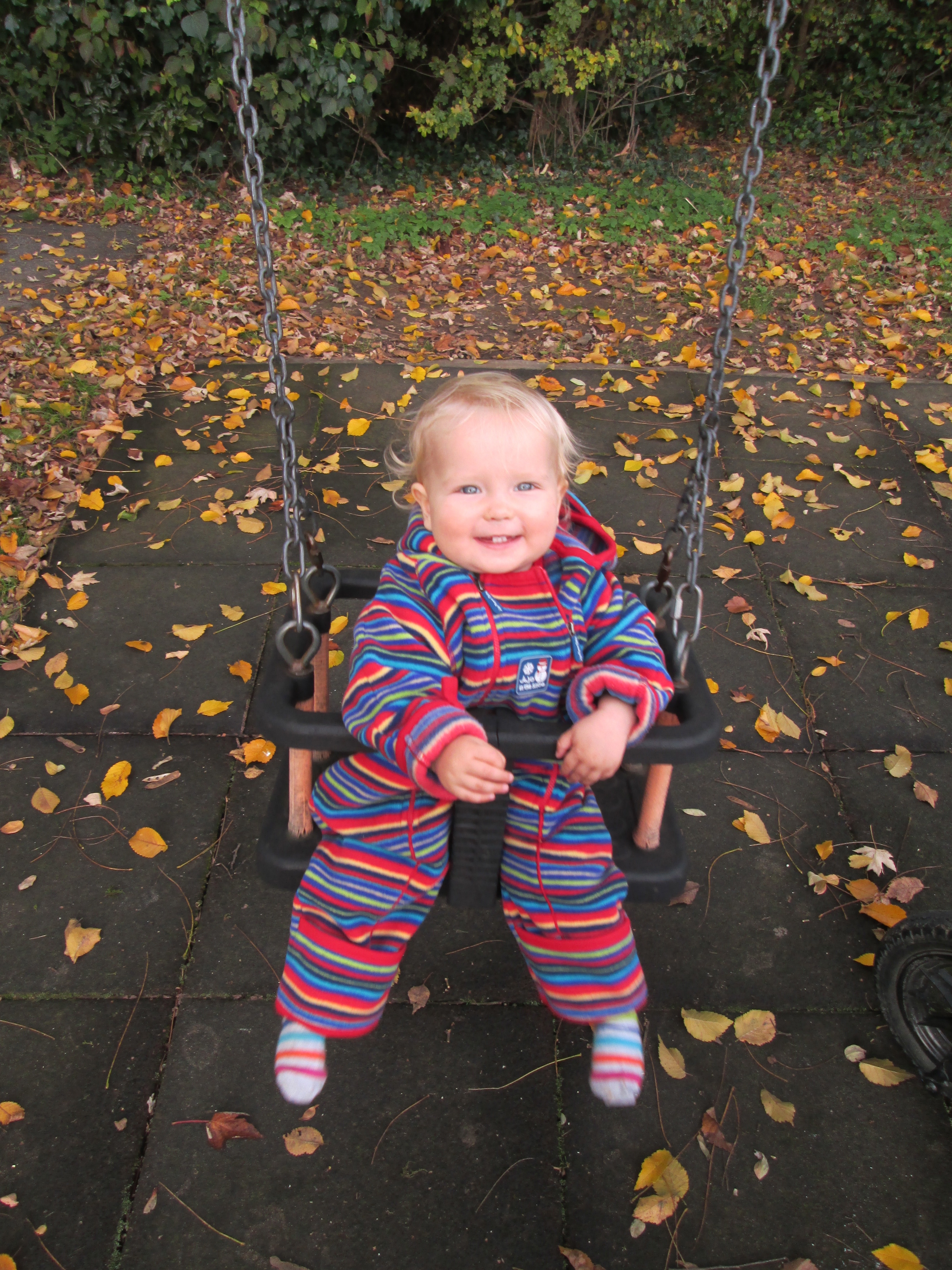
  3. Swing Giggles – When your child is on a baby swing, invite them to kick you when they swing towards you by saying ”I hope you don’t kick me!”Catch their kicks in a playful, gentle way. Or end up falling over with mock exaggeration, or fly back across the grass with the ‘power’ of their kicks. This will have them laughing and relishing the power.
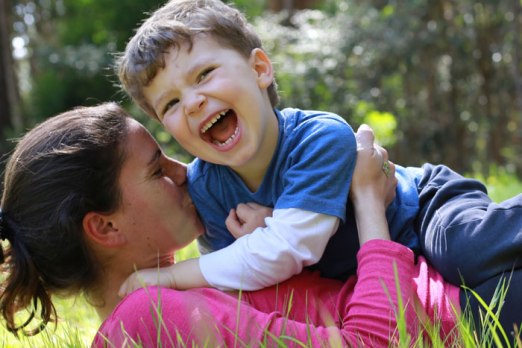
  4. The vigorous snuggle – This is a wonderful way to heal aggression in the moment, by moving in close, snuggling with our child, planting raspberries, and meeting your child’s aggression with play. Rachel Schofield, explains how it works in this post here.
  5. Push me off the sofa – I used to play this game with my daughter and her friend who I would sometimes babysit. It often helped to diffuse tension between them if they could conspire against me, and push me off the sofa with lots of giggles. I would sometimes resist a bit more, to give them more of a chance to push against me, and struggle before finally falling on the floor. You can also play this one on a bed. Clare Harrison says, to her daughter “please, please don’t push me off the bed! Oh, I’m so scared! I don’t want to fall off the bed!” She laughs and pushes me off the bed; I’m very dramatic and loud with limbs akimbo, falling down as messily as I can, protesting all the while.
  6. Push me off the sofa – extreme version – My daughter would push me off the sofa, but I would fly off across the room with the ‘strength’ of her push. I would end up as far as the kitchen or the bathroom. Sometimes I would even open the front door and fall out and tell her it was because her push was so strong!
  7. Push Me Over – I would kneel on a bed while my daughter was standing, and say, ”I’m so strong, I’m the strongest mummy ever. I bet you can’t push me over.” My daughter would try and I would put up a bit of resistance at first, and then always let her win.
  8. Interception Games from Isabela Budusan, Hand in Hand trainee instructor. When I see my daughter approaching her sister about to be aggressive I take her in my arms before she reaches her, and make the airplane game with her, or take her like a bag on my shoulder and run through the house saying ”look what I`ve got here; a bag of potatoes!” or peanuts, depending on her mood.
  9. Bed Chase –  This works well on a soft bed. Tell your child you’re really fast and they wouldn’t be able to catch you. Let them chase you then catch you, and then  say, ”I bet you can’t pull me down,” and then let them wrestle you onto the bed.
  10. Bed Wrestling From Clare Harrison. I have two big boys (12 and 9) and a 2.5 year old girl who can get really frustrated being the little one. When I notice she’s starting to go off track (hitting, for eg), I will make space to play outside of a tricky situation, usually to wrestle. I looooove to wrestle with her, it’s really open, but all about her having the power and getting to be the tough one. I might get her onto our big bed and say things like “you get to be the boss, you tell me what you want me to do.” If she’s not sure, I might say “shall I crash you?” and “chase” after her lumbering and silly. This gets her leading pretty quickly as it will either be “yes” or “no mum!” I pretend that she is sooo much faster and stronger and cleverer than me: I fall off the bed, I let her “shove” me over, anything to get her laughing and feeling powerful. If she is still not sure about what she can do I might say “gosh, I hope no one hits me with that pillow” or something like that.
  11. The love gun game, from Larry Cohen’s Playful Parenting book.This is a game in which the adult getting shot simply has to love the child who shot them. While playing this game, the adult opens up his arms and takes a step toward the child with a big, silly, love-struck smile on his face, saying “Now, that you shot me, I just have to love you!”. As soon as the child shots him, a chase starts around the house and, when the child is caught, he gets hugged and loved.
  12. Dinosaur Bites By Anca Deaconu, Hand in Hand trainee instructor. Ever since my son was three, he has shown an increasing interest into the world of dinosaurs and one of his favorite games is about him being a strong carnivore dinosaur who “bites” (and eventually “kills”) a weak herbivore, his meal (and that is, of course, the role assigned to me 🙂 So, inspired by Cohen’s idea above, I thought I would give it a try. Each time he would bite me, I would pretend that I was given “the love bite” and that I am now under its spell. And, the more he’d “bite” me, the more I’d love him. So I chased him around the house, hugging and kissing him and enjoying his laughter and giggling. I was amazed to see how this game, that I have initially perceived as an aggressive one, has turned into a connection game, one that led to an unexpected surprise: later that day, my son made a drawing for me: a pink unicorn. Because – he said, “girls like unicorns, mommy and you are a girl”.
  13. Butterflies from Rachel Schofield. My 4 yo had gone to story time at the library with his granny which had been about butterflies. He came home and was offtrack which culminated in him wielding a tennis racket aggressively. I moved in and stopped him, got the racket off him, stayed close. He tried kicking and punching and I protected myself saying, “I’m not going to let you do that”. After a little while I sensed he was a bit stuck. The aggression was losing intensity but not going to release feelings. So I shifted to Playlistening. He had his feet against me and I was holding his hands, “Look! You’re like a butterfly” and waved his hands around. He smiled, “pick me up so I can fly” So I picked him up and flew him around waving his arms, he giggled and smiled and was in better shape when I landed him back on the ground.
  14. Sock Fight – This one is fun for all the family. Everyone has to try to take each other’s socks off. Put up a bit of resistance with older children, but go for the giggles and let them win eventually. You could try making a big fuss out of how good you are at sock fights, and never lose, and then be a ‘bad loser’ when you end up losing your socks.
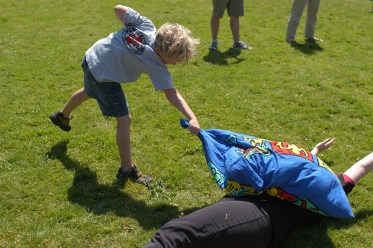
  15. Grass Fight – If you’re somewhere with freshly moan grass tell your child how much you hate having grass thrown on you, inviting them to play. You could also try it with dried leaves on an autumn day. Or just tell your child, ‘I really hate having grass thrown in my hair,” I hope no-one does it. Run away, let them chase you and catch up with you, and let them tackle you to the floor.
  16. Pillow Fight – Pretty self-explanatory really. Let the kids win, and always take the less powerful role, so they don’t feel overpowered.  
  17. My precious object -Pick up a book, cushion, or any object that isn’t really too precious. Tell your child it’s your precious object that you never want to let go of. Hold it really tight then let them wrestle you for it.
  18. Indoor snowball fight – Check out this link for a set of pretend fluffy white snowballs, so you can have an indoor fight. Or alternatively just roll up some socks and use them instead.
  19. Splashing Games – In the bath, or outside with a hose or water pistols, on a warm day, or at the pool. Make a big deal about how you want your clothes/hair/face to stay dry. Tell your child that you’re the world best expert on staying dry. Let your child get you soaking.
  20. Catching And Escaping – My daughter loves to have music on and run across the room from one side to the other while I sit in the middle on the floor with my arms outstretched waiting to catch her and missing her each and every time. Then I might also catch her, and hold my arms really loose but say, ”my love is so strong, that I’m not sure you’ll be able to escape” and let her escape each time. This is a fun physical game that helps release tension, and build connection, giving a big dose of love.


Need more help? Check out Hand in Hand Parenting’s online self study course Help Your Child With Aggression.

How Children Heal Fear Through Play

Children-dont-have-to-take-on-our-fears (1)

This Christmas we flew to Scotland and as the plane landed it was pretty windy. The plane was descending bumpily, and rapidly, which to me as a nervous flyer felt as if we suddenly falling out of the sky!  My daughter was sitting next to me, and caught sight of my nervous face. “Lets hold hands,” she said.

I knew instantly that I’d made her feel afraid. Up to that point she’d been enjoying the journey, and had never shown any fear of flying before. We flew a couple more times that holiday and everything was fine.

Then today, we were doing special time, and her Sylvanian families were flying. We each had a book which we were pretending were planes. Then my daughter said, ”this is when the plane has a rough landing,” so I would roleplay a sudden landing with everyone falling off. I suddenly knew where this idea of a rough landing had come from, that my daughter was trying to work through some of the fear she felt when we flew.

When we do roleplay we have a crazy sheep that often does silly things, so when we set off in the plane again I would have the sheep sing, ”a few lumps and bumps on the way down,” and have my plane bounce up and down a lot. She laughed at this. Then I would have the sheep, bump into her plane by mistake or do zig zags, or even stop and try to have a conversation with the passengers on the other plane. She found all of this really funny.

I would add some commentary like, ”um, excuse me sheep. I don’t think we should be stopping for a conversation in mid air!” My daughter found this hilarious. Then I would try to think up other silly scenarios, like sheep’s friends who were not invited on the holiday would hide on the plane and then they would all take a detour to the ‘soup swimming pool.’ (I was cooking soup at the time). She would chase after the plane, to try and stop them from diving into the soup.

Our parenting will never be perfect. Our children will inherit some hurts and fears from us. But play is a wonderful way children can make sense of their world, and tell stories. When we can play with them we can pick up on what makes them laugh, and help them release fear and upset. And as we listen to the stories we tell, we get an idea of where we need to heal as well. I think it’s probably time I had some listening time about my fear of flying!

For more info on how to help your child read Helping Children Conquer Their Fears from Hand in Hand Parenting. 

How Letting Our Children Make A Mess Builds Co-operation

IMG_1611

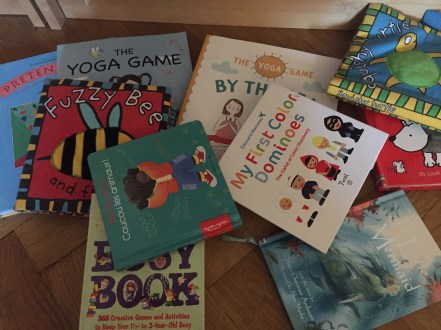
When I told my daughter I was writing up these ‘giggle games’ to share with you all she suggested, ”the child pulls books off the bookshelf!” It’s funny she suggested this as when she was a baby she loved to pull the books off the bottom shelf. I never did get round to replacing them with toys as one friend suggested I did. I just let it slide.

Back then I knew her book pulling was exploratory behaviour. But what about when our children get older and ‘know’ better. Well when they’re feeling well-connected, they won’t act off-track and randomly pull books off the bookshelf, but if they’re feeling a bit disconnected or something has happened to upset them then they might just use pulling a few books off the shelf as a coded message to tell us, ”help I’m not feeling good.”

So you could let your child pull books off a bookshelf and then pretend to act all annoyed, and they get really giggly and love being ‘naughty’ and do it again and again. All that laughter is your child’s natural way to release stress and tension, so they can get back to think clearly and being co-operative.

But perhaps you don’t want your books to get bashed around. In which case you can keep the fun going, but redirect your child to a box of toys, or a drawer full of clothes. In this post I explain why letting kids be ‘naughty’ in a controlled way is really allowing them to get their off-track behaviour out of their system so that they can return to their natural, co-operative self.

When my daughter was adjusting to going to playgroup she’d often go over to the fridge, and pull all the magnetic letters off. I wasn’t worried about them getting damaged so I went along with the game, pretending to be annoyed in a playful way, and putting them back on just so she could take them off again. I knew her behaviour this was a sure sign that she was feeling disconnected and needed my attention. And I knew that play was the best way we could reconnect.

So when your child is acting off-track you can redirect to let the fun continue, and with every giggle they’ll be closer to being their natural, good, co-operative self again.

5 Ways To Get Started With Giggle Parenting

snuggle (1)

For two years I struggled with play. First of all my grandmother died, and it took me a long time to be able to recover my own sense of joy. I got through the day with caffeine. Then I got a book deal, and I simultaneously dealt with my grief, and became preoccupied with meeting my writing deadline.

I knew that writing a book was a wonderful opportunity, but somehow in my panic and nervousness to get things done on time, (with tea and chocolate to help!) I wasn’t really relaxing and being in the moment with my daughter.

When I finished the book I finally felt like I could stop and breathe a bit. I could relax and give up caffeine, along with that wired anxiousness that came with it. And what I found is that my natural instinct to play came back to me.

We’re all born able to play, it’s something innate to all of us. Sadly though we lose pieces of our playful selves along the way to adulthood. When we were young the adults didn’t always play with us when we wanted them to, or in the child-led way we loved. As we grow older and have more adult responsibilities we can lose touch with our fun selves. In last weeks blog post I talked about 5 tips for having fun with your kids.

Now I’m going to focus on how to get laughter flowing, and all of that giggly fun Hand in Hand parenting calls playlistening.

  1. Make a mistake – Whether it’s when we’re tidying the house, or playing with our kids, or trying to get them to do something, making a mistake is guaranteed to get the giggles flowing. So tidy something away into the wrong place, and act all surprised saying, ”I didn’t mean to do that!” or pick up a book to read, but ‘read’ a teddy bear instead. As you exclaim ”whoops,’ and acted shocked your child will delight in you being the one getting things wrong. It’ll even help to build their confidence and make them feel more comfortable with making mistakes.
  2. Do something that you are sure is so silly it couldn’t possibly be funny!  I think sometimes we forget that our children are so young that silly stuff will be funny. I know I’ll often do something silly like pick up a banana instead of answering the phone or put some socks in a saucepan instead of pasta. These things will often get a laugh, diffuse tension, and are ideal for those moments when you can feel stress levels rising.
  3. Recover your own sense of joy – I’ve heard this quote many times; that in Shamanic societies if a person was feeling depressed the Shaman would ask one of these four questions, When did you stop dancing? When did you stop singing? When did you stop being enchanted by stories? When did you stop finding comfort in the sweet territory of silence? If we’ve lost touch with what brings us joy, then it’s hard to bring joy to others. Remembering  or discovering what we love can really help us to feel more able to spread joy with our children.
  4. Have a lazy day – Modern life goes at a rate that is not really compatible with our deep emotional well-being. Most of us probably need some time to unwind. Most of the laughter play I do with my daughter happens when we’re at home not thinking about what we have to do or where we have to go. Playlistening is about intuitively sensing what will make our children laugh. It’s a creative skill, and rest and relaxation is one of the things that can help to nurture our creativity.
  5. Follow your child’s lead – When we’re deeply attuned to our child we’ll notice that they often set up situations to make themselves laugh. So do some special time, and pick up on what makes your child laugh, repeat it for as long as they’re still giggling.

I hope this list helps to bring more laughter into your family life! What makes your children laugh? I’d love to hear what works for you, so please leave a comment 🙂

5 Tips For Having Fun Playing With Your Kids

IMG_1599

A few weeks ago, some friends came over who have a ten-year old daughter who my daughter loves playing with. Watching the two of them play together made me reflect on just how much stamina children have for playing with each other. They could carry on for hours. For me on the other hand, after a while I get drained and ‘bored’ by play. I desperately want to do something other than play, like tidy up the house, clean the kitchen, or zone out on my computer.

But I also know that deep down my feelings are not really because I find my daughter’s play ‘boring’ or because I can’t play or don’t like to play. Actually I love spending her time in her imaginary world, sharing her joy and creativity. But I do get drained after a while.

Why is play so hard for us? Is it because we know we’ve got a million and one jobs to do in our busy lives? For sure. but there’s more to it than that.We all have moments in our days when we get triggered by our children. Play can often be one of those times. We start to feel exhausted, we start to feel stressed, we find it hard to muster the enthusiasm.

Play is hard because when we were children our parents may not have spent hours playing with us. They may have been busy just getting on with things, and may not have understand how important it was simply to be there with us. There may have been times when we wished they could give us more quality attention. We may have given up even expecting it.

When we spend time with our children, it’s as if we have an invisible river of our own childhood memories running through us. We not be conscious of these memories, but they are there, beneath the surface, often getting triggered when we are stressed or overwhelmed. So when our child says ”play with me,” we can often feel reluctant to leap up and join them because we have our own hurt child inside of us who didn’t get all the play and connection we needed.

But there’s nothing innately non-playful about any of us. We can recover our natural joy and have fun playing with our kids.

Here are a few things that you can try.

  1. Have some grown up fun! Recovering our own sense of fun, can be really helpful. Go to a live music or comedy gig. Have drinks with friends. Dance to the songs you loved when you were younger. Life gets pretty serious sometimes for adults. But it doesn’t have to be.
  2. Have some listening time – Exchanging time talking and listening with another parent about how parenting is going Tell your listening partner how much you ‘hate’ playing with your kids. Talk, moan, even scream into a pillow about how hard it is. Have a laugh or cry if you need to. After expressing your feelings with a partner you may find that these feelings are not your thoughts, and that you actually don’t hate playing. Yo may just need to release some of your own emotional baggage to find the joy in it.
  3. Play in short bursts. Don’t give yourself a hard time, or pretend to enjoy playing when you aren’t actually in the mood. Your child will pick up on your feelings, and it’s likely neither of you will have much fun. Instead try shorts bursts of special time, (1-1 time with a child doing something of their choice) that feel manageable to you. Even 5 minutes can deepen the connection with your child, and make you both feel better. You can gradually extend your capacity for play, as you get listened to, and work through your feelings about play.
  4. Let your agenda slide. If possible try to have some lazy days where you aren’t running around, and can just hang out and enjoy the company of your children. Is there anything non-essential you can leave off your to-do list? Get some ready meals in and leave the washing up till tomorrow. I always find I’m at my most playful when we’re at home with little to do. After I’ve nurtured myself with adult company, and my cup is full I’ll try to have a mellow day at home where we just chill out, connect and play.
  5. Have some adult-to-adult special time – The first time I tried special time with another adult I was amazed how much fun it was, and how novel it felt to have someone shine their attention on me while I got do whatever I wanted. You can try this with a friend or your partner, so that you can nourish yourself with the deep sense of connection that you want to give your children.

I hope these tips help you to enjoy playing with your kids. I love hearing from you, so please feel free to leave a comment about how you get on.

For more tips on play and connection with your kids, check out my book Tears Heal: How to listen to our children

tears-heal2016

20 Playful Ways To Help Picky Eaters

HELP-YOUR-PICKY-EATER


When it comes to picky eating it can be hard to find a solution that is fun, connected and playful. On the one extreme we can simply let our child survive off yoghurt and spaghetti with tomato sauce, with underlying worries about their nutrition. On the other extreme we can try the ‘threat of starvation’ approach where we just put their dinner down in front of them and refuse to give any other options.

In desperation we may have tried either or both of these approaches, but never felt completely comfortable with them. Luckily there is is a third way that can help with the underlying root cause of picky eating.

Often when children are experiencing fears or anxiety, they may project it onto food. So when a child scrunches up their nose at broccoli, and seems fearful, it may not be the food that is the ultimate cause of their fear.

Children gather stress, and tension from the early experiences in their lives when they felt small and helpless. They use little everyday moments, to try and ‘tell’ us about these feelings through their behaviour.

When we learn to listen to our children’s feelings, we are doing the most compassionate thing possible, allowing them to express their upset so that they grow in confidence. That plate of peas won’t look so scary when it’s no longer clouded by a mind full of upset.

I remember one time listening to my daughter cry about separation anxiety. After that we had dinner, and she started eating potatoes and cheese, two foods she had never tried before!

It’s not just about the food. When we help our children with feelings in life in general we can help them be more adventurous with their food, and when we help our children with food we may see leaps and gains in their lives.

Where the laughter comes in. Laughter is one of the ways in which children (and adults!) release the stress, tension and fear that can get in the way of them enjoying food. We also want to give children a sense of freedom and choice in life. We don’t want to set limits every single dinnertime. which might quickly lead to powerlessness and resentment. We want to warm up the connection with our child through special time and playlistening so that dinner time is fun, and so they feel safe to tell us about the big feelings that can also get in the way of enjoying food.

Listening to big feelings can be challenging, and coming up with fun, playful ways to deal with it can be even more difficult!

So I asked my friends and fellow Hand in Hand instructors to contribute to this list of fun playlistening ideas to help children with their fears around food. These are a great starting point to follow your intuition, and see what makes your kids laugh while they are in the more powerful role. Your dinner might get a bit cold while you try these out, and if taken to extreme some of these can get a little wild.

But there’s a big advantage. When we invest the time to listen to feelings and fears, it means that in the long run, dinners go much more smoothly. Your child doesn’t need to have a gigantic play every dinner time, (thankfully because I wouldn’t have the energy!) but laughter sprinkled here and there helps a lot, and perhaps you can have a bit of extra fun at the weekends.

Sometimes as my daughter laughs and play games, she ‘forgets’ to be afraid of the food, and ends up eating it. We get closer to the food together in a connected, fun way that takes the pressure off. I wish you many joyful, laughter-filled dinnertimes!

  1. Special Time – Roma Norriss Hand in Hand instructor in Bristol, UK  recommends doing it before dinner. In the rush to prepare food we probably aren’t thinking about connecting with our kids. If you can keep the dinner warm and then spend 10-15 minutes doing special time then this can give children the close connection they need to feel safe to try new food. Roma says, ”My very fussy daughter has been known to tuck heartily into her food and even exclaim “Mmmn delicious Quinoa!” when she has had a good dose of Special Time.”
  2. Yuck – In this classic game we simply reverse roles and pretend that we are scared of the food. Bring our fork up to our mouth, and make a suspicious face. Try it and make exaggerated yucky sounds. Run away from it. We might even encourage our child to feed us this disgusting food by saying, ”I hope you don’t make me eat this horrible food.”
  3. Mmmmmm Take bites of your food while looking a bit sceptical that it’s going to be tasty. As you chew it say ”mmmmm.”Gradually ramp up your surprise and delight at how delicious the food is with a big long ”mmmmmm” sound. Make some animated movement to express how tasty it is. Perhaps you run around around the room in a crazy manner, and then come back and say, ”oh sorry, that food just sent me a bit crazy for a moment.”
  4. Escaping Food. Roma Norriss says, ”One day my daughter wouldn’t eat her food, so I put some on her spoon and then zigzagged it away from her plate saying ”Help! Some of our food had escaped from our shopping basket. It’s rolling down the hill and I’m afraid that little stray dog is going to eat it. Quick save the tomatoes.” She immediately took me up on the game and started woofing after the food and trying to eat it. Then I changed tack and said, “Oh she’s a nice doggy shall we just feed her, I don’t think she has any owners, we could take care of her.” Soon she had eaten up all her food.
  5. Seat Glue Hand in Hand instructor Sarah MacLaughlin has a fun suggestion for children who are finding it hard to sit still. Pretend to spread glue on the chair before they sit. When they get up; act confused as to why your glue is not working, “that is so strange! I guess I’ll put some more glue on here…. Hurry, see if you can eat a bite of food before that glue wears off.” Lots of laughs, smiles, and “phooey” and “oh darn it,” when they get up again and again. Add “stronger glue” each time.
  6. Run Away From Your Seat Katalin Hidvegi, says, ”My eldest son is constantly running away from the table with food in his hands. One day we were playing, and he shared some “cakes” with me from his toys. I pretended to eat my cake, and hubby came to ask us to go to the table. My son and I started running away from him together. We pretend to sit on the coach eating together as allies. Hubby played his part well, complaining and insisting that we move to the table, then taking our cakes away. We would obediently sit down at the table but then jump up and run to the couch again. It was hilarious. My son laughed heartily and I enjoyed it too. Great healing laughter and togetherness. Great autonomy(rebellion) experience for both of us too!
  7. Missing Your Mouth I have to thank my mother-in-law for this one! Try to put food in your mouth but instead, ‘feed’ your ears, your armpits, the top of your head, your foot. Keep saying, ”oh no! That’s not right, let me try again.”
  8. Mis-serving Food. If the food is in the middle of the table to serve out, try mis-serving it by nearly putting a spoonful into your water glass. Catch yourself, ”oh whoops! That’s not right.”
  9. Flying Food – The food gets on a spoon or a fork (with a little help from us) and says, ”This is my aeroplane and I’m flying to Australia/America/Europe, and I’m not coming back!” We mock panic, and say ”oh no,” and ‘chase’ after it.
  10. Food Stealing – From Hand in Hand instructor Muftiah Martin in Santa Rosa California, I’ll say, “Ooh, I love eggplant (or mushrooms or beans) so much. I hope no one takes my eggplant when I’m not looking.” And she snatches it up!
  11. Food Robbers – Jessica says, ”I tell my kids that a robber is coming to steal their food. Then we look away and then they quickly take a piece and eat it really quickly.”
  12. Secret Eating From Hand in Hand instructor Skye Monroe in Australia.  Put their plates down with food at the table and say “ok I don’t want ANYONE to eat ANY of this food .. Please do NOT eat this.. I just want you to look after it for me for a bit while I grab something from the bedroom.” Walk away for a bit and come back and see they have eaten and with mock horror exclaim “oh no it looks like someone has eaten this food ?! That can’t be right ?!”
  13. Doll Roleplay – Stephanie Parker, Hand in Hand instructor in Stroud UK.says, ”I pretend Innes’s dolls and animals don’t want to eat their dinner and then Innes steps into being the parent and setting the limit and encouraging them to eat. She loves this.”
  14. Food Race – From Muftiah Martin, ”We do “who’s going to get this bite of food first?” as I lean in toward my daughter and pass the spoon near both of our mouths. She is always faster!” .
  15. The Wrong Seat – If each family member sits down in a regular seat, then you can get a few giggles flowing by sitting down in the wrong one. Take a fork and start to eat a mouthful of dinner then stop saying, ”hang on, something’s not quite right here. This is not my dinner. I’m in daddy’s seat!”
  16. Random Objects Instead Of A Plate – Lay the table, and put everyone’s dinner out. But put a funny object in your place. Then when everyone’s come to dinner and you sit down, say ”hmmm, why have I got a magazine for my dinner?” Try to eat it, and then act all disappointed, ”hmmm that doesn’t seem very tasty! I better go and get my proper dinner.” Repeat with objects, the more outlandish the better. Putting some toothpaste on your placemate, or a (clean!) potty, is bound to get your child laughing hysterically. You can even ask them to join in the fun by saying, ”Would you mind getting me my proper dinner?” And then mutter to yourself, ”I hope they don’t bring me anything silly,” literally inviting them to join in.
  17. Funny things on my spoon – I started this game when I was eating Minestrone soup, and every spoonful  would have a different variation of food. So when I got a spoonful of green peas, I would say to my daughter, ”oh dear. What’s this on my spoon. This looks a bit strange,” and pretend to be afraid of it. Then I would eat the spoonful and it would have a funny effect on me, making me jump around, or swing back on my chair, or make my face go into a funny expression. Then I’d say ”oh sorry, that strange spoonful turned my face funny,” and straighten it out again.” My daughter kept encouraging me to keep taking spoonfuls saying excitedly, ”go on, see what’s on your spoon next!” I tried this the other day when I was eating curry, and there was a green bit of coriander on my fork. I looked at my fork and said, ”what’s that? A leaf? Why did daddy put a leaf in my curry?” She laughed a lot.
  18. Eat me. Eat me. Have the food say  ”eat me! eat me!” to your child says Hannah Gauri Ma From Loving Earth Mama. Then the food pretends to get all sad if it doesn’t get eaten. I have also tried with this one with food that wants to get eaten by me instead. If you have some small items, like nuts or raisins, or peas, then have them come near your mouth, and then you take them away and put them down again. Act all annoyed and frustrated in a playful way, telling them that you’re not hungry, or don’t want to eat them, and then have them try to be eaten all over again.
  19. Aeroplane Game – This is a variation of the traditional aeroplane game of feeding your child. Load up a fork with food and have it take off to your child’s or your own mouth, But instead of landing there it lands in your mouth instead, or it flies and lands on top of the fridge, in the fruit bowl, or the kitchen counter. Act all muddled and confused and say, ”oh no, that’s not where I meant to land,” and try again, failing every single time.
  20. Food that doesn’t want to be eaten – Serve out your food, and then have it say, ”I don’t want to be eaten, I’m going back in the saucepan/fridge, etc.” Have the plate or individual pieces of food jump off the table, and jump back into the saucepan. Say ”hey, that’s my/my child’s dinner, come back here, we need you,” and act all befuddled as you keep trying to serve it but it keeps running away.

I hope this list bring lots of laughter and joy to your dinner table. If you try them out feel free to leave a comment and let us know how you get on. If you come up with any games of your own, we’d love to hear them!

Diary of an imperfect mum

10 Ways That Laughter Can Transform Your Day

swinggiggles2

In our lives with a young child there may be many challenging moments, that make us feel stressed out, serious and frustrated, getting locked in a power struggle with our kids. A lot of these occur when we want our child to do something that they don’t want to do. The more we try to force the issue the more our child resists.

Hand in Hand parenting, is all about redistributing the power balance, being flexible with our kids, and then seeing their own flexibility and natural co-operation shining through.

Playlistening is what we call it, when we put ourselves in the less powerful role, to get the giggles going. Laughter releases the tension our child feels and builds connection between ourselves and our child. After a bit of laughter our child is often much more likely to co-operate with us. It’s a powerful effective way to get out of a power struggle and on with the day.

Here are ten awkward moments where laughter can save the day. Repeat as necessary until the giggles (or you!) are exhausted.

  1. Getting Dressed – If you’re toddler’s refusing to get dressed it can leave you feeling irritated and impatient, but luckily there’s plenty of fuel for giggles in the dressing process. Try putting on a ‘serious,’ voice and say, ”come on now lets put these trousers on’ and end up putting them on their arms. Put their socks on their hands, or their pants on their head. Put their cardigan on back to front, or their feet in the arm holes. Children absolutely love it when we make mistakes. It helps to build their confidence when they can be the competent one, telling us that we are getting it all wrong. And then they’ll be sure to tell us the right way to put on their clothes, and maybe even co-operate!
  2. Brushing Hair – When my daughter refused to let me brush her hair she would instantly change her mind if a teddy or doll wanted to do it. Somehow the teddy was always much more gentle than me, and never accidentally pulled too hard. If a bit of laughter is needed try brushing your child’s hair with other household objects like a spoon or a sock, and then exclaim, ”Oh dear! That’s not a hairbrush, I keep getting it wrong.”
  3. Getting Out of The House – Grab a teddy or doll, and try to put your child’s coat and shoes on. Take them to do the door, and say ”come on (child’s name) it’s time to go,” then suddenly realise your mistake, and exclaim, ‘oh dear, that’s not the right person! Let me try again.”
  4. During Mealtimes – Toddler’s can be fussy, and often their fears and anxieties can be projected onto food. Put yourself in the less powerful role, by being playfully afraid of your food. Pick up a fork of food, scrunch up your nose and ”oooh I don’t know what this strange food is.” Or try picking food up with your fork, and keep dropping it by ‘mistake.’ Or try feeding your ears or nose, and then exclaim with mock frustration that you keep getting it wrong. After a few giggles your toddler may forget all about being cautious and get on with the meal.
  5. If your toddler is having trouble sharing – then grab an object and say invitingly, this is my car/doll/toy, and I don’t want anyone to take it off me. Let your child creep up to you, grab the object and run away. Chase them but always let them win, so they are the powerful role. Repeat with another object or the same one if they put it down. This and similar games help your child to release competitive feelings and be more generous with friends.
  6. When your toddler’s being clingy – Say, ”oh there’s a baby stuck to me, how did she get there? ” Try to unstick yourself but always let them win. As you shower them in playful affection, they can release their clingyness with giggles.
  7. If your toddler is aggressive – then turn the tables around, and let them fight you. Playfully catch their kicks, or punches, have a pillow fight, or try some roughousing which has been shown to reduce aggression in children. Giving children an outlet for their feelings in play with you, means they don’t need to bring them up with other children.
  8. When your toddler is whiny or moaning, or complaining abut being bored – Have a clothes fight! Grab some clothes, and divide family members into teams. Have one team on a bed trying to throw clothes onto the floor, and another team on the floor trying to throw the clothes onto the bed. This is a great mood shifter. Let the fun and giggles commence!
  9. Cleaning Teeth – Pretend to clean your kids ears, or nose, and keep exclaiming that you are getting it wrong. Or try to brush your kid’s teeth and end up with a flying toothbrush that keeps landing in surprising places like the bath, sink, or even another room instead of your child’s mouth.
  10. Bedtime – When there’s still time to play in the evening, put your child into their bed, and then say invitingly, ”I hope you don’t get out of bed ” and leave the door open, as you leave. Let them run out of the room and appear. Act all surprised and then say, ”oh dear, I better get you back to bed again.” Repeat until any excess energy or tension has disappeared, and your child is happy to go to sleep for real. Laughter induces melatonin the sleep hormone, so this is the perfect way to end the day.

I hope this list makes your day go more smoothly. Are there any other scenarios that you’d like a ‘laughter cure’ for? Leave me a comment, and I’ll try to think up some games!

For more info about the Hand in Hand approach to aggression check out their online self-study course, Help Your Child With Aggression

Diary of an imperfect mum

Special Time Solution For Screen Time

Set-Limits-467x700.png

Screen time is an ongoing dilemma in our family. How and when, and if to set limits. When to allow my daughter the freedom to explore and enjoy screens and everything they offer so that she feels that her own desires and choices are respected. How to manage my own fears and anxieties about screen time. (listening time helps with that!).

One thing I’ve realised is that I’m no expert when it comes to having a one-size fits all approach to how to deal with screens, I’m more likely decide moment by moment, how to handle the issue. It often depends on what my daughter’s done that day, if she seems disconnected, or has been acting off-track, then I usually try and offer some connection using one of the Hand in Hand parenting listening tools.

Today my daughter was watching her ipad, and I could feel myself getting into a kind of downward spiral in my mind. I felt upset that she was watching the screen, but after a late night watching the fireworks for new year, I didn’t feel like I had the energy to offer much in the way of connection.

Then I remembered the blog post I’d written the day before. 10 Ways To Use Special Time To Transform Your Day. It was time to take my own advice! I didn’t have much to offer in the way of energy, but I could spend 15 minutes of my time, knowing that the timer offered me an escape route so it didn’t seem too foreboding!

Often my daughter will turn off a screen if I offer special time, but not today. She was pretty tired as well. So I snuggled down next to her, and we watched her favourite you tube videos where a mum makes some Lego Friends sets.

As I watched the videos, talking about the sets with her, and seeing how they were built I realised the importance of not just using TV as an electronic babysitter, but also of going into our child’s world. The joy and interest they have in the programmes and videos they love is real. I think we create a disconnect when we try to always to get our kids off screens to do something else, they want to feel like we are their ally, on their side, and facilitating their interests. And as I stepped inside my daughter’s world, we could share connection, and I realised that perhaps the screens aren’t the real problem.

Perhaps the problem is that we were born into this world longing for a deep sense of connection that our parents weren’t always able to provide. Perhaps it’s that we are trying our hardest to parent, in busy, stressful times, when we have to juggle so much, paid work and housework, often without extended family near us. Perhaps it’s because it’s hard to meet our children’s deep, emotional needs, all of the time, because our needs weren’t always met when we were young.

We are doing our best to work it out, to heal our lives, and keep striving for connection with our children. We have some wonderful tools to help us to be the parents we want to be, even when times are hard.

So this New Year’s Day, give yourself a break and snuggle up in front of a screen, if that’s what’s going to work best for you and your family!